
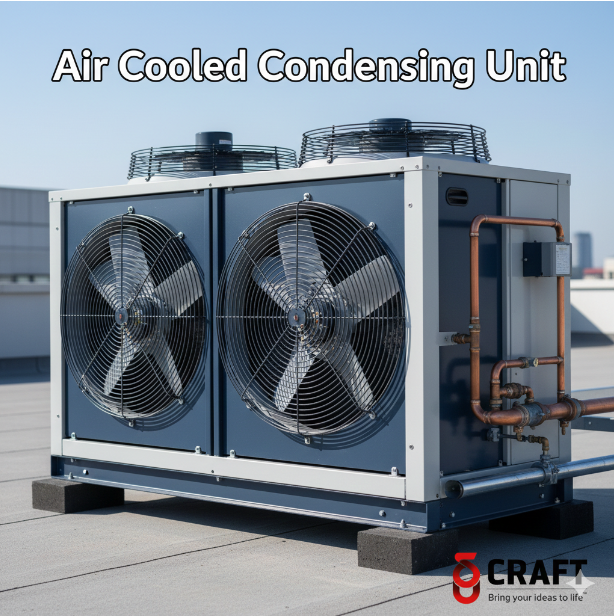
Cooling systems eat up power. Air-cooled condensing units run constantly in commercial buildings, and when they’re inefficient, your electric bill shows it.
Low-GWP refrigerants fix part of that problem. They work the same as older refrigerants but cause less environmental damage. That translates to lower operating costs and sometimes rebates or tax breaks.
How Air-Cooled Condensing Units Work
Refrigerant picks up heat inside your building. It gets compressed, moves outside, and releases that heat through metal coils. Fans blow air across the coils. The refrigerant cools down and cycles back inside.
Older refrigerants like R-22 stuck around in the atmosphere damaging the ozone layer. Newer options like R-290 or R-513A do the same cooling job without trashing the environment. The cooling capacity stays the same. The environmental damage drops.
Why Switch to Low-GWP Refrigerants
Low-GWP refrigerants break down faster in the atmosphere. They don’t accumulate and trap heat like the old ones did. Regulations keep tightening on older refrigerants too. Phaseouts mean replacement refrigerant gets expensive.
You might qualify for utility rebates or tax credits when you upgrade. Energy use drops. Most facilities cover the upgrade cost within several years just from lower bills. Some utilities also offer better rates for buildings using efficient equipment.
Better Equipment Makes a Difference
Modern condensing units pair these refrigerants with variable-speed fans and smart compressor controls. The system adjusts output to match actual cooling needs instead of running full blast all the time.
Coils are built to resist corrosion and transfer heat better. Materials matter when refrigerants flow through the same coils for years. Controls prevent the equipment from working harder than necessary. Sensors track temperature and adjust compressor speed accordingly.
Older units ran at one speed. On or off. New equipment scales back when demand drops. That saves wear on parts and cuts energy waste.
What Actually Changes
Upgrades make noise levels drop. Equipment runs longer between breakdowns. Maintenance stops being a fire drill.
Temperature stays more consistent. People notice they’re more comfortable. Electric bills go down and equipment lasts longer before needing replacement.
Compressors cycling on and off constantly wears them out fast. Variable-speed systems run steadier. They last longer because they’re not slamming through start-stop cycles constantly.
Timing Your Upgrade
Ripping out working equipment early wastes money. Check how your current system performs. Figure out payback period. Time the upgrade when equipment needs replacing anyway.
Get someone who knows these systems to assess what makes sense. Sometimes repairs work fine. Sometimes new equipment pays for itself faster than you’d think.
Low-GWP refrigerants cut costs and environmental impact without changing how well things cool.
Frequently Asked Questions
What are Low-GWP refrigerants and how do they differ from older types?
Low-GWP (Global Warming Potential) refrigerants perform the same cooling function as older refrigerants but cause significantly less environmental damage. Unlike older options like R-22, which damaged the ozone layer and remained in the atmosphere, newer options like R-290 or R-513A break down faster and do not accumulate to trap heat. While the environmental impact drops, the cooling capacity remains the same.
How can upgrading to these systems reduce my commercial operating costs?
Switching to Low-GWP refrigerants often leads to lower energy bills because the systems are more efficient. Additionally, facility owners may qualify for utility rebates or tax credits when they upgrade. Because energy use drops significantly, most facilities are able to cover the cost of the upgrade within several years just from the savings on their electric bills.
What makes modern air-cooled condensing units more efficient than older models?
Older units typically operated at a single speed—either fully on or fully off. Modern units utilize variable-speed fans and smart compressor controls that allow the system to adjust its output to match actual cooling needs instead of running at full power constantly. They also feature sensors that track temperature and adjust compressor speeds accordingly, which prevents the equipment from working harder than necessary.
Will a new system impact equipment lifespan and maintenance?
Yes, modern systems generally last longer because they run more steadily. Older compressors wear out quickly by constantly cycling on and off, whereas variable-speed systems avoid these harsh start-stop cycles. Furthermore, upgrades often lead to lower noise levels and a reduction in emergency maintenance “fire drills” because the equipment runs longer between breakdowns.
When is the best time to schedule an HVAC system upgrade?
It is usually not cost-effective to rip out working equipment prematurely. The best strategy is to monitor your current system’s performance and time the upgrade for when the equipment would need replacing anyway. It is recommended to have an expert assess your system to calculate the payback period, as new equipment sometimes pays for itself faster than anticipated through energy savings.